Deniz Suyu Arıtma Sistemlerinde Çalışma Prensibi, Maliyet ve Seçim
Ekim 22, 2026
How to plan SWRO post-treatment for a coastal resort
Kasım 20, 2026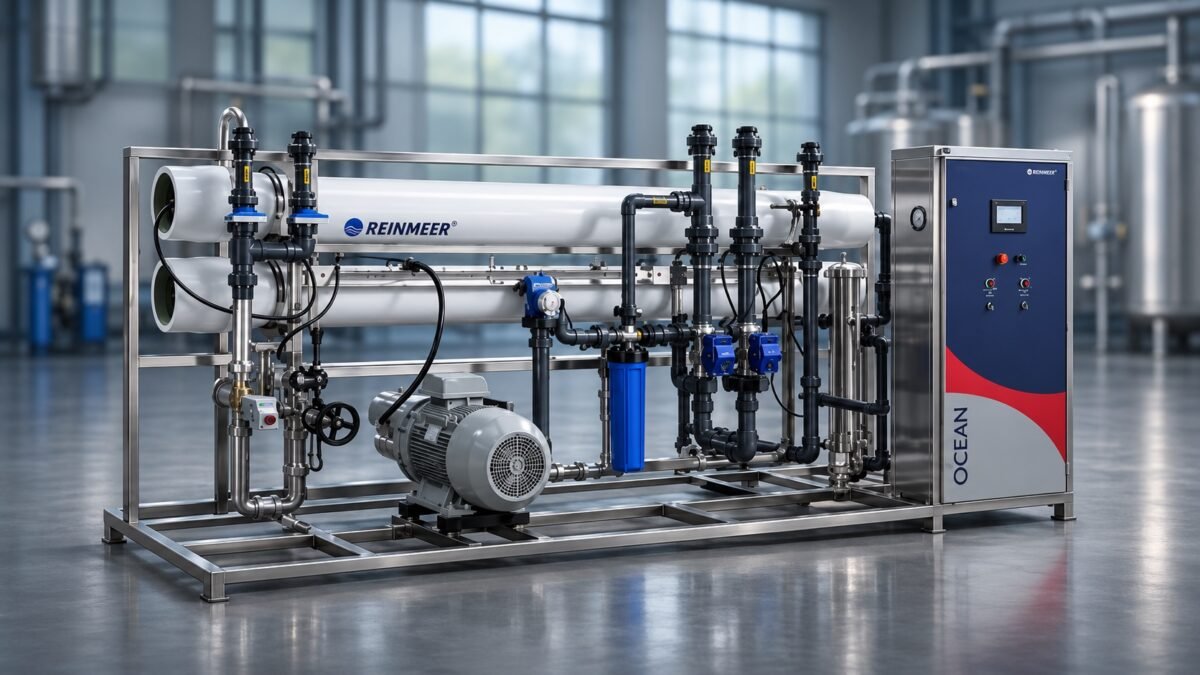
If a plant needs to produce 120 m³ of fresh water per day, how much seawater must reach its membranes? The answer depends on the SWRO recovery rate. At 40% recovery, the membranes need 300 m³ of feedwater per day. At 50%, they need 240 m³ for the same output. That difference affects the intake design and the volume of concentrate the site has to manage.
How to calculate the SWRO recovery rate
Water that passes through the reverse osmosis membrane is called permeate or product water. The remaining stream, called concentrate, carries most of the dissolved salts. The US Department of Energy’s guide to desalination explains how pressure drives this separation.
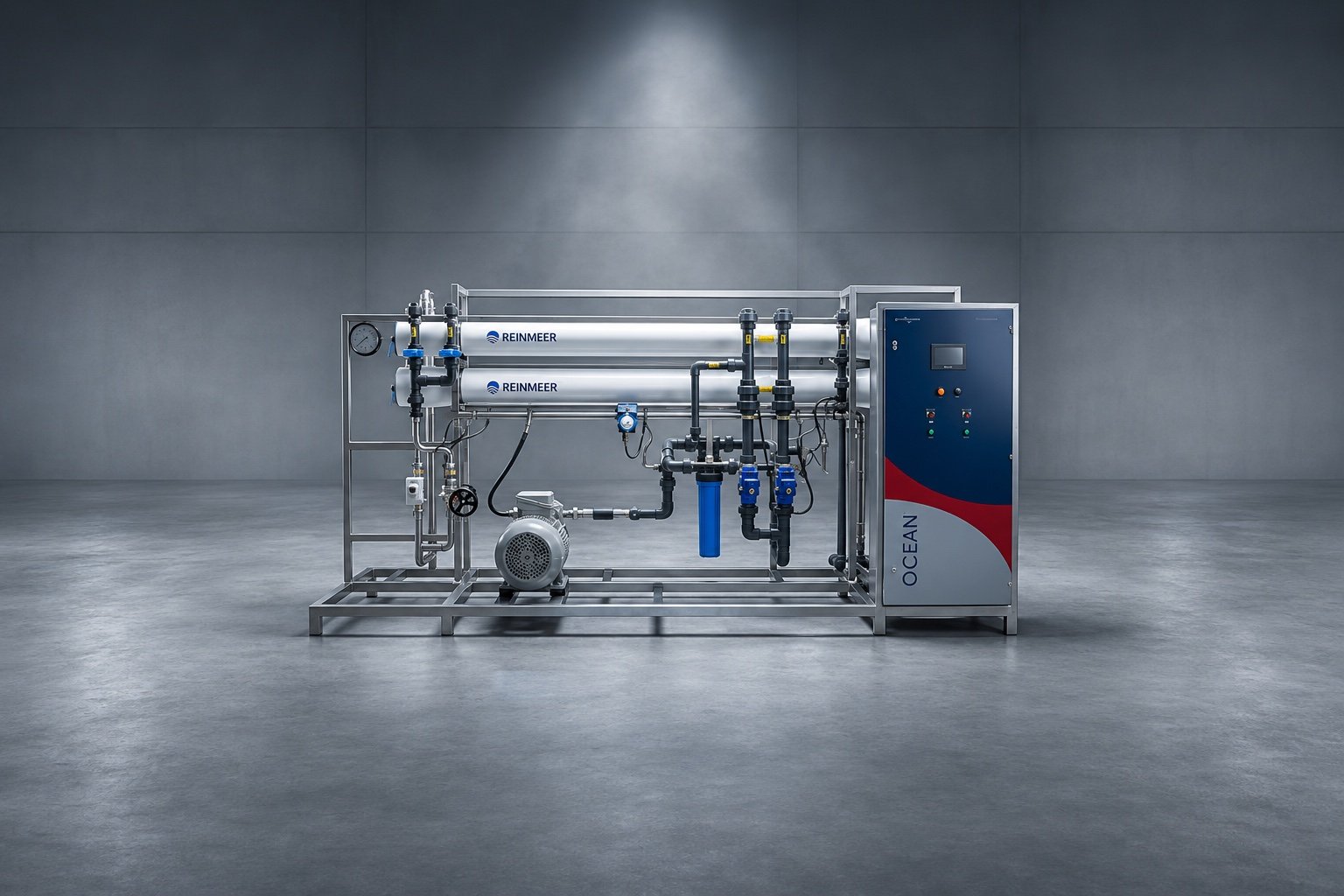
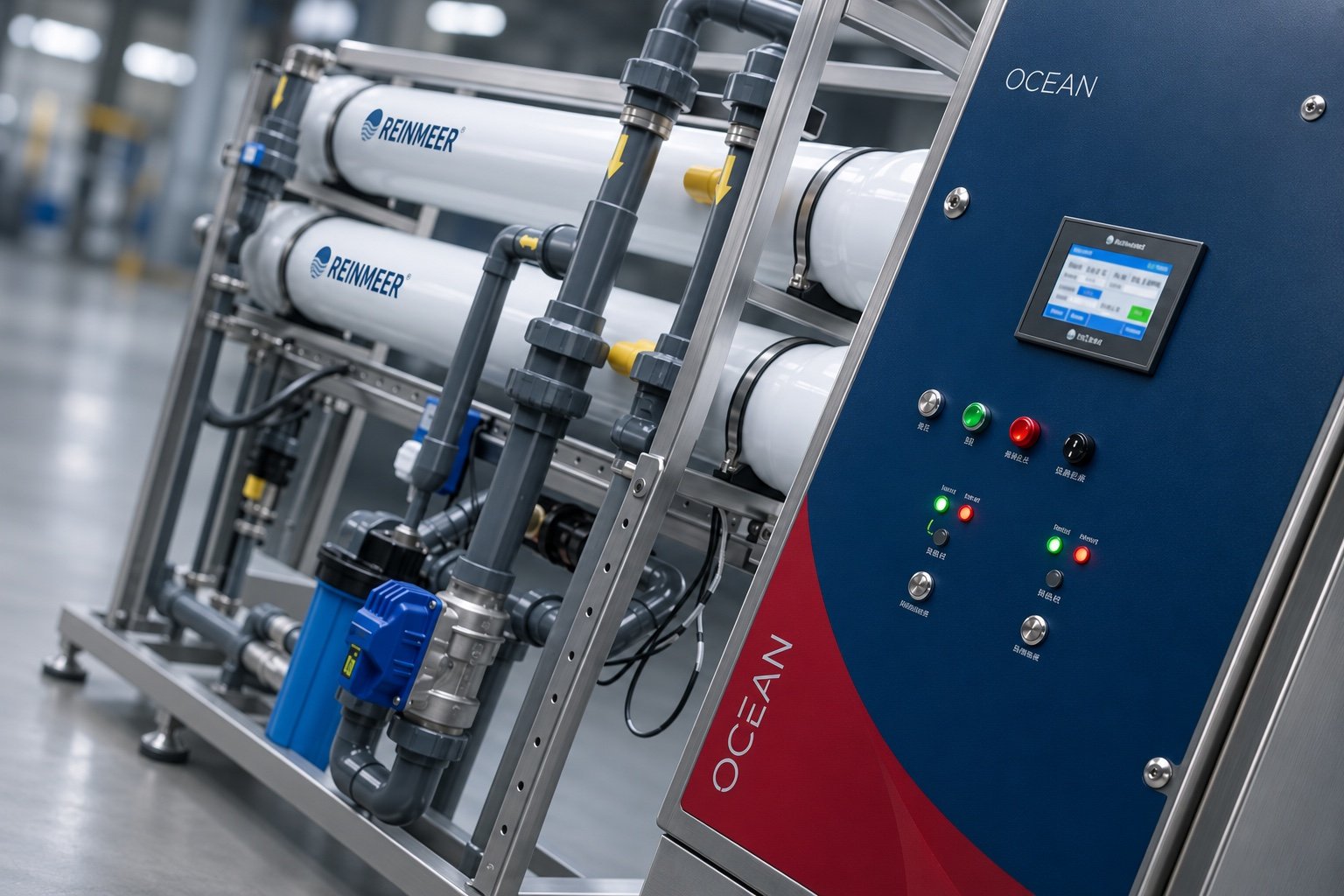
Recovery (%) = product water flow ÷ membrane feed flow × 100. At steady operation, concentrate flow from a simple RO stage equals the feed flow minus the product water flow. Measure the two flows over the same interval and use the same units. Pretreatment backwashing, water sent to drain during rinsing and other plant uses belong in the wider plant water balance. See the Reinmeer OCEAN seawater reverse osmosis systems for equipment information.
Two recovery rates at 120 m³ per day
- 40% recovery. 120 ÷ 0.40 = 300 m³/day of membrane feed. Concentrate flow is 300 − 120 = 180 m³/day.
- 50% recovery. 120 ÷ 0.50 = 240 m³/day of membrane feed. Concentrate flow is 240 − 120 = 120 m³/day.
Product water output stays the same in both examples. At higher recovery, the concentrate volume falls and the salts enter a smaller volume of water. These percentages illustrate the calculation. The suitable operating range depends on feed salinity, temperature, scaling potential and the product water target. If demand varies by shift or season, use the capacity and storage planning guide to establish the production schedule first.
Compare supplier quotes at the same operating conditions
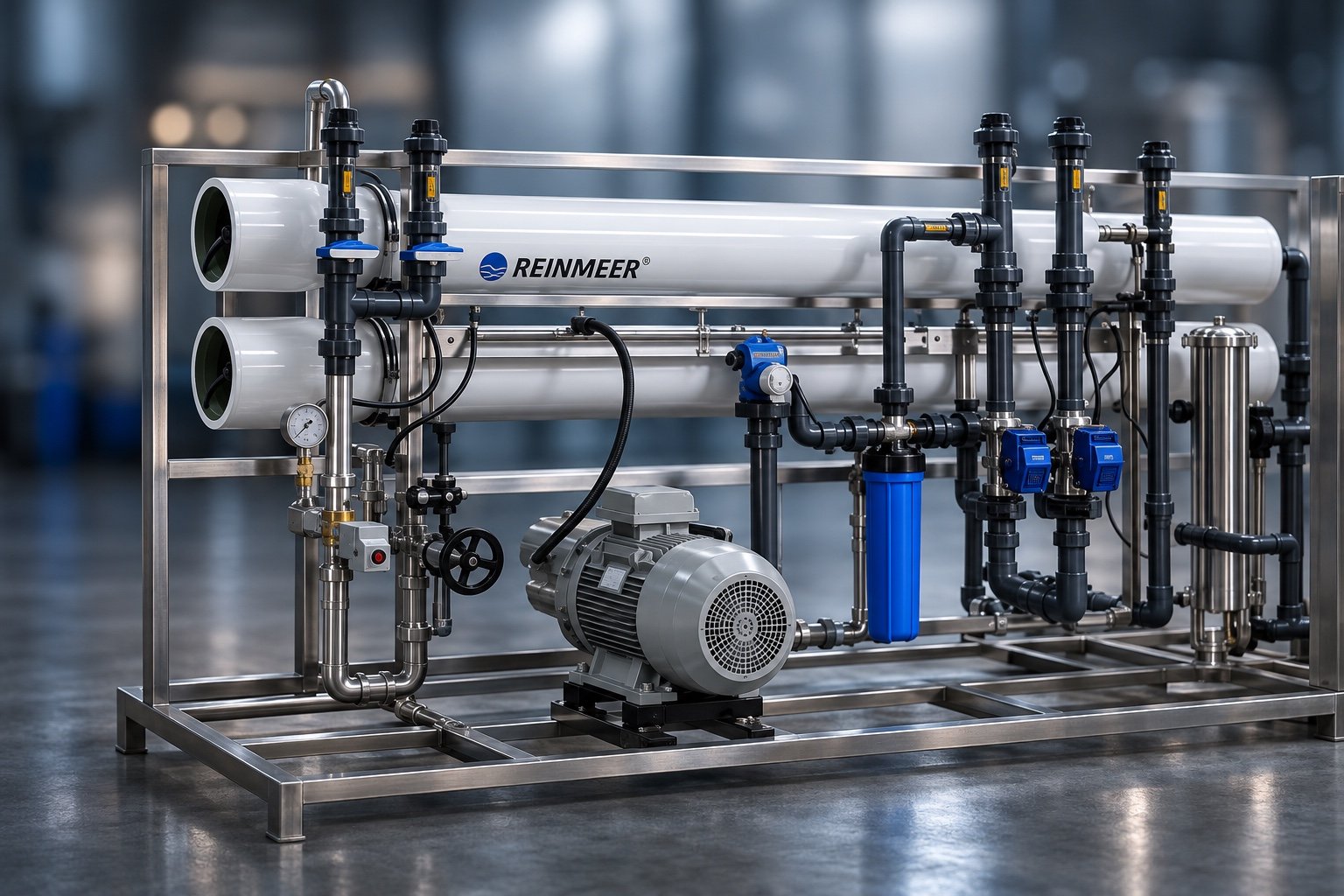
Ask each supplier for membrane feed, product water and concentrate flows at the same design conditions. The quote should specify feed temperature and salinity, the proposed membranes and the target conductivity for product water. As recovery rises, the salt concentration and osmotic pressure at the end of the stage rise. The resulting pressure requirement has to be reflected in the energy estimate. Use the SWRO energy consumption guide to compare which pumps and auxiliary loads each quote counts in its kWh/m³ figure.
Ask for concentrate salinity as well as flow. On coastal projects, the receiving waters and proposed discharge location can influence the scope of the design. The California State Water Resources Control Board’s desalination page offers an example of how a jurisdiction considers site selection, design and discharge technology together.
If you’re planning a plant, send the Reinmeer team your seawater analysis, daily production target, planned operating hours and proposed discharge location. These are the inputs needed to compare intake, product water and concentrate flows under the same conditions.