
How to calculate the SWRO recovery rate
Kasım 14, 2026
A coastal resort can produce enough water on a busy August weekend and still have a problem at the tap. The reverse osmosis unit may deliver the specified flow and conductivity, while the water in the storage tank has different chemistry, a longer residence time or a lower disinfectant residual than the engineering team expected. Those differences are decided by what happens after the membrane.
For a resort planning its own seawater reverse osmosis (SWRO) supply, post-treatment includes the conditioning, disinfection and monitoring needed to deliver the finished water to its intended points of use. Specify those points before ordering the equipment. A kitchen in the main building, a guest wing that closes for winter and a service line at the far end of the property can all draw from the same plant under very different conditions. Reinmeer OCEAN seawater reverse osmosis systems.
What changes after the SWRO membrane?
The water that passes through the membrane is called permeate. It generally contains much less dissolved salt than the incoming seawater. It can also have low alkalinity and little calcium hardness. Alkalinity measures the water’s capacity to neutralise acid, so water with very low alkalinity can change pH more readily. How that water behaves in the resort’s network depends on its full chemistry and on the materials it contacts, including pipework, fittings and hot-water equipment. US EPA workbook on treatment changes and corrosion control.
Read conductivity at two different points for two different purposes. A measurement at the membrane outlet helps track salt passage and membrane performance. A measurement after remineralisation reflects the minerals intentionally added downstream. A rise at the second point can be expected when conditioning is working. A rise at the first point calls for a separate investigation. The finished-water specification also needs to cover chemical and microbiological checks that conductivity cannot measure. Reinmeer’s guide to rising SWRO conductivity.
Write the finished-water specification before choosing equipment
Start with a map of where the water goes. Identify potable outlets, service branches and any point where another treated supply can enter. Then establish the applicable water quality requirements and the materials already installed. A retrofit on a property with mixed pipe materials calls for a review of those materials and the water they currently receive. A new project can coordinate the plumbing and water treatment specifications from the start.
Ask the design team to show, on the same schedule, the expected permeate quality and the finished-water targets. Useful entries include pH, alkalinity, calcium hardness or other relevant mineral measures, conductivity and the required chemical and microbiological tests. If boron is a design concern, address it in the membrane treatment and verification plan. A remineralisation stage serves a different purpose. Boron removal and second-pass SWRO design.
Compare three ways to stabilise permeate
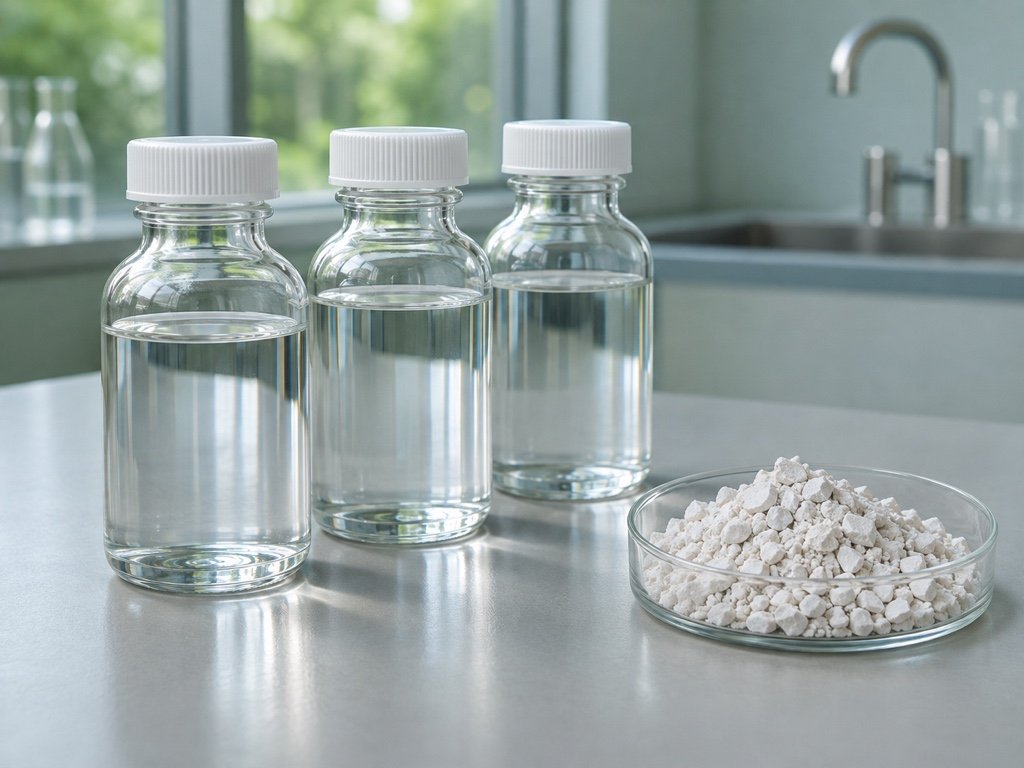
Calcite contact
Passing permeate through a calcite bed uses calcium carbonate media to add calcium and alkalinity. The result depends on the incoming water chemistry, the contact conditions and the flow through the bed. Ask how the system is expected to perform at both its normal output and the lowest flow it will see during the winter. Include access for media replenishment and inspection in the layout. A seawater desalination feasibility study for Rosarito Beach describes one application of calcite beds in post-treatment. Rosarito Beach feasibility study hosted by the US Bureau of Reclamation.
Controlled chemical addition
A system may use metered chemical addition and pH adjustment where the operating range or site layout favours that approach. The supplier should show how the controls track actual flow and what happens if a pump, instrument or chemical supply is unavailable. Review the space for the treatment equipment, operator access and the way the system handles water outside the agreed release specification.
Blending with a compatible treated supply
Some properties have a suitable second supply that can contribute minerals. The blended water must meet the finished-water requirements across the intended range of supply conditions. Seasonal changes or a supply interruption can change the blend, so the project needs an operating plan for periods when either source is unavailable. The World Health Organization’s guidance discusses the microbial quality of water used for blending. WHO drinking-water guidelines on desalination, hosted by NCBI.
Design storage around the quiet months as well as peak demand
Storage helps a resort cover peaks when guest demand exceeds plant output for a short period. The same volume can exchange much more slowly in the off-season. For example, an illustrative 60 m³ operating volume corresponds to half a day of demand at 120 m³ per day and a day and a half at 40 m³ per day. Those ratios describe volume divided by average use. Actual water age at a tap depends on the tank’s operating levels, mixing and how the distribution branches are used.
Put a low-occupancy day on the design brief. A property might have one building open while guest wings, outdoor bars or service branches remain unused. Decide how the system and the resort team will manage turnover and verify water quality in those areas before reopening. Where the disinfection strategy includes a residual, verify it at locations that represent the network as well as at the outlet. Longer storage can make the residual harder to maintain. US EPA guidance on finished-water storage and water age. Seawater desalination capacity and storage planning.
Commission the full route from the plant to the tap
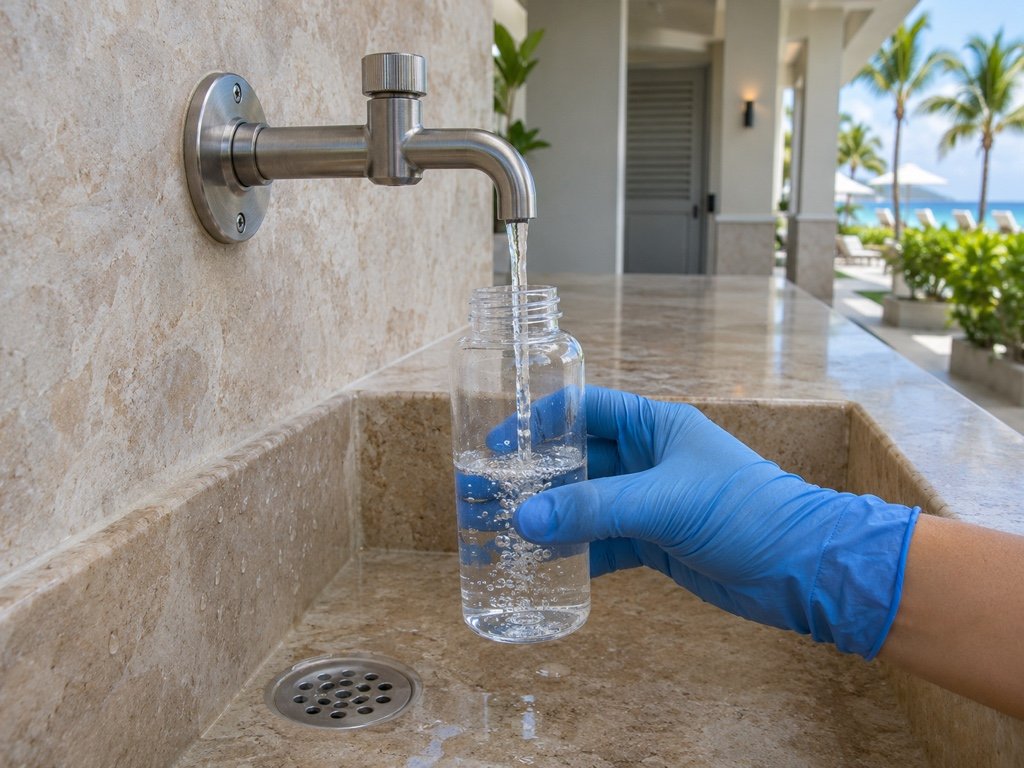
Agree on the acceptance criteria before installation and record which party verifies each point. A practical commissioning plan compares permeate before conditioning, finished water after post-treatment and representative points in storage and distribution. The plan can include a remote outlet and a branch that sees intermittent use. The project team and the appropriate laboratory should set the sampling methods and acceptance criteria for the applicable drinking-water requirements.
- At the membrane outlet, establish a baseline for permeate flow and conductivity under recorded operating conditions.
- After conditioning and disinfection, verify the agreed finished-water chemistry and required water quality tests before release.
- At the tank outlet and representative taps, check the parameters chosen for the actual distribution system, including disinfection performance where applicable.
- During start-up and low flow, confirm how the plant responds to off-specification water, low demand and a loss of a treatment or monitoring function.
For a new resort or a retrofit, bring the site’s pipework materials, occupancy calendar, expected water demand and existing supply analysis into the first design discussion. With those details, the Reinmeer team can review how the SWRO plant, post-treatment and storage would work together on that property. Discuss your project with Tuna Desalination.